Do You Need a Retaining Wall? A Fox Valley Guide to Slopes, Clay, and Drainage
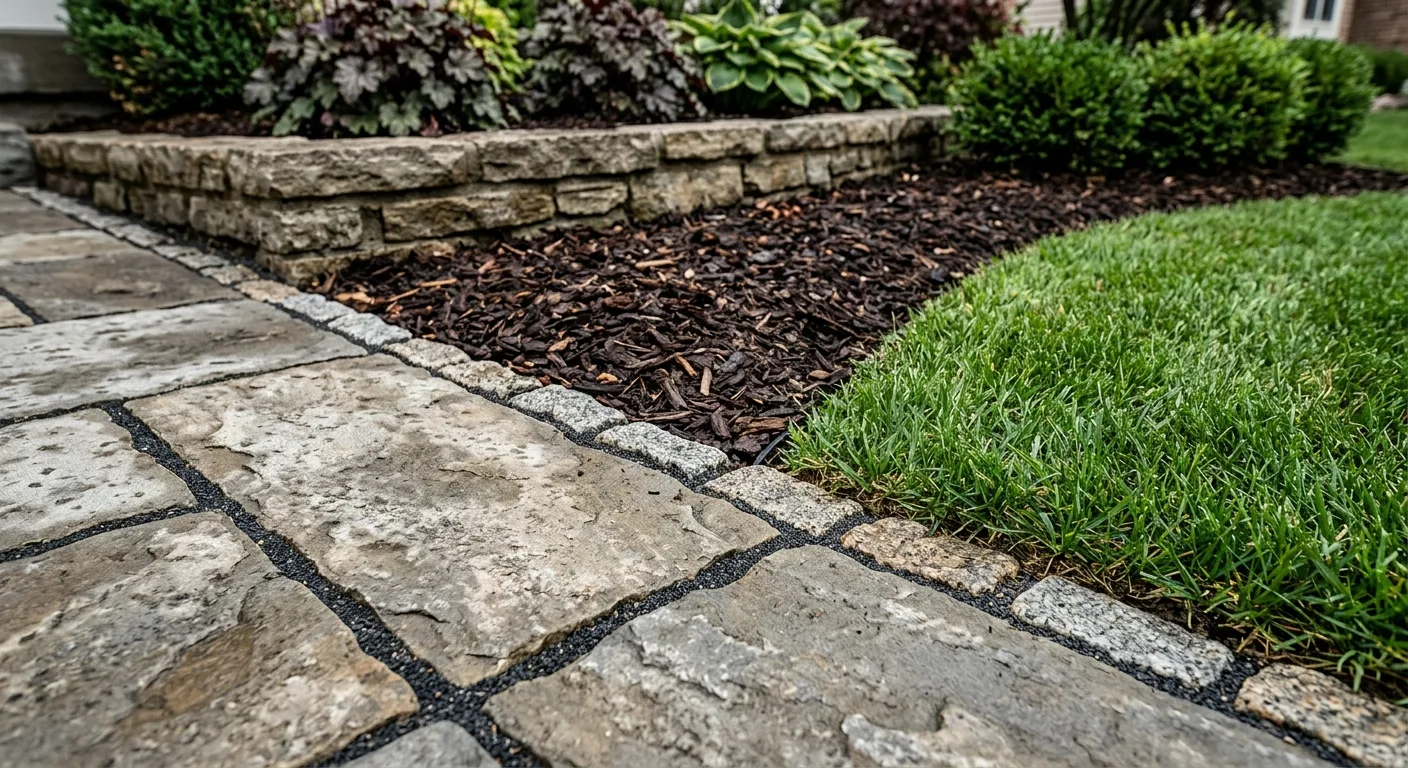
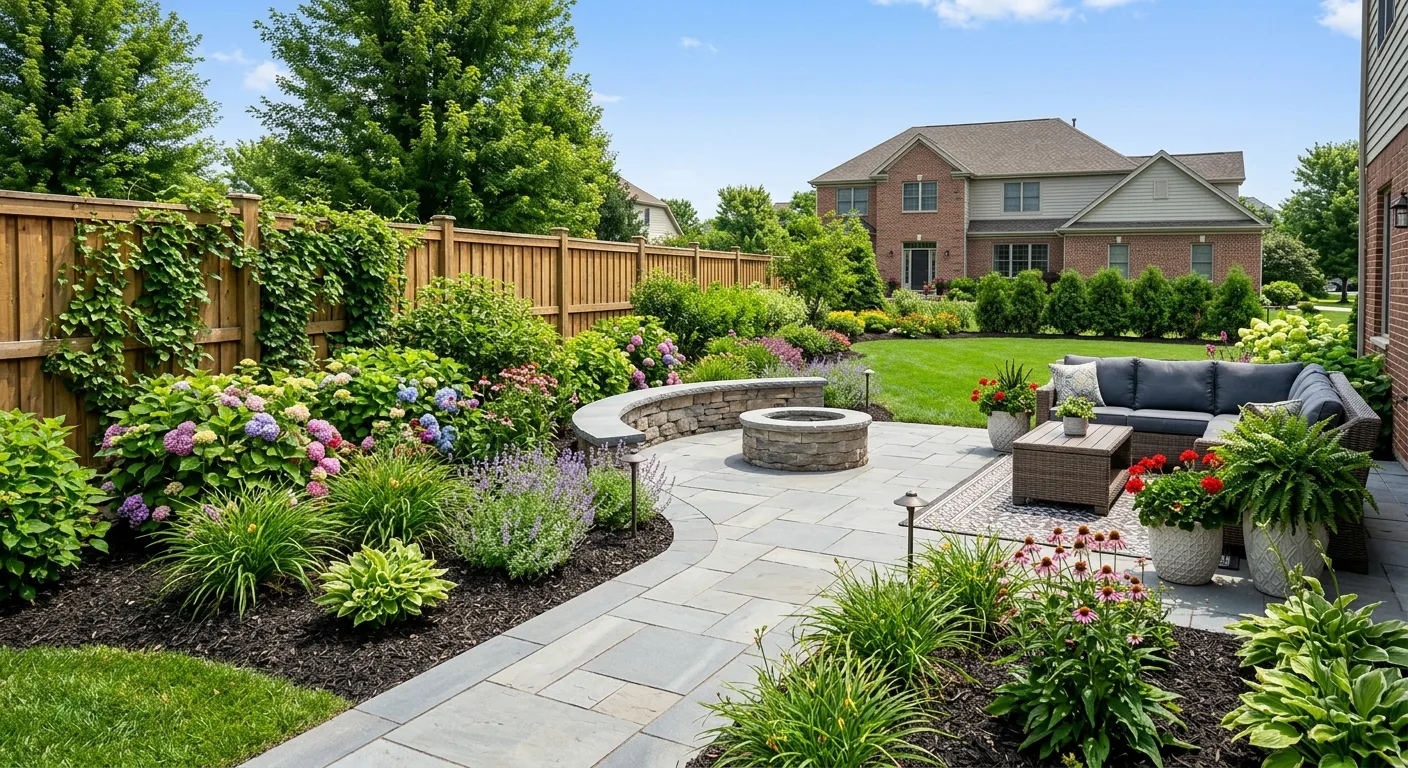
If you're asking whether you need a retaining wall for your sloped yard, here's the honest answer most contractors won't lead with: a lot of Fox Valley slopes don't actually need a wall, they need water sent somewhere else. After 20-plus years holding back grade on clay lots from East Dundee through Elgin, Algonquin, and Barrington Hills, the pattern we see over and over is that homeowners come to us expecting to buy a wall and leave with a regrade and a drain instead. A retaining wall is a real structure with a real price, and it earns that price only when a slope is eroding, unusable, or pushing runoff at your house. This guide is how we sort those cases on the site visit, so you know what you're actually dealing with before anyone quotes you block.
Do you need a retaining wall for your sloped yard?
A retaining wall earns its cost in three situations: a slope steep enough that soil erodes downhill every storm, a hillside you want to level into usable patio or lawn, or a grade above the house that sheets runoff toward the foundation. Outside those three, a simpler fix usually wins. On the site visit we're measuring how much vertical grade the wall would have to hold, where water enters the slope from above, and where it can safely exit below. That reading, not the look you have in mind, is what decides whether a wall is the right call.
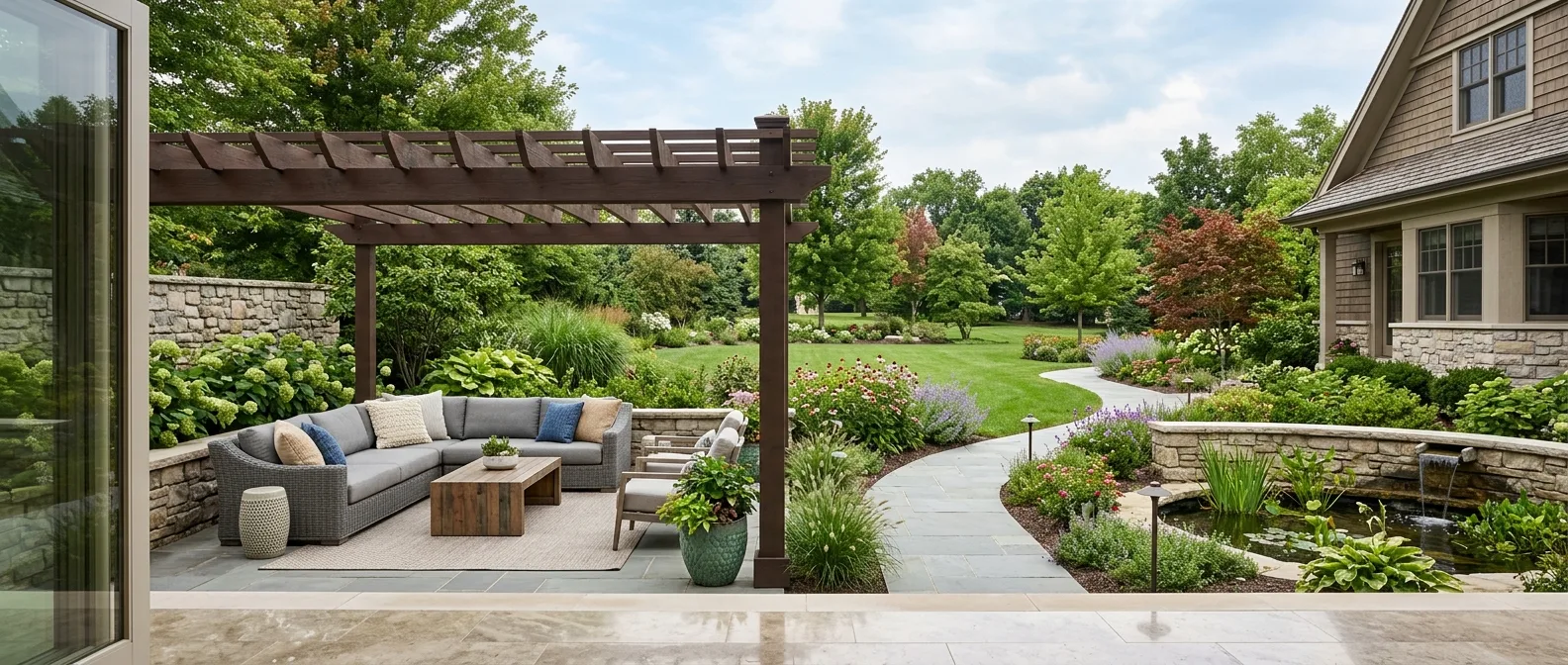
The clearest yes cases we build across Algonquin and Sleepy Hollow are steep, eroding side yards. You can't mow them, mulch slides off them, and every downpour drops another wheelbarrow of your topsoil into the neighbor's yard. Terracing that grade into shorter, planted tiers turns dead space into something you can use, and it finally sends the water where it should go. That's a wall doing its actual job.
Retaining wall vs. regrading: which one does your slope actually need?
Regrading reshapes the ground so water and gravity work with you instead of against you; a retaining wall holds ground that can't be reshaped without falling apart. The rule we use is simple. If the slope is gentle enough to reshape and still drain, a regrade plus a downspout extension is almost always cheaper and less invasive. If the grade is too steep or too tall to hold at a stable angle, or you need flat usable space carved out of a hill, that's where a wall wins. The two aren't rivals, either. On most jobs we regrade the top of a slope AND build a wall at the bottom, because the grading is what keeps surface water from ever reaching the wall in the first place.
This is the split that saves people the most money, and it's the one budget crews skip because grading and drainage are less profitable than stacking block. We come at it the other way. We start by figuring out how to move the water, and only reach for a wall when moving water and reshaping grade genuinely can't hold the slope. If a regrade works, that's what Virgil will tell you, in person, before anyone talks about block.
Why retaining walls fail in Illinois: clay soil and freeze-thaw
Retaining walls in northern Illinois fail from the back, not the front, and the culprit is water pressure, not weight. A wall isn't holding dirt. It's holding dirt plus every gallon that dirt soaks up, and Fox Valley clay soaks up and holds a lot of it. When that saturated clay freezes and expands against a wall with no drainage behind it, the wall becomes the only thing resisting the pressure. That's what leans it, bulges it, and cracks it, usually within three to five winters no matter how good the block on the face is.
After two decades on Fox Valley clay, our rule is that the wall you can see almost never causes the failure. The gravel, the fabric, and the drain pipe you can't see are what decide whether it's standing in ten years.
Two things shorten a wall's life here, and both are underground. The first is no drainage layer behind the block, so water and frost pressure have nowhere to go but against the wall. The second is a base that wasn't compacted below frost-affected depth. Winter frost in this area reaches roughly 40 inches down, and a wall that starts on soft or shallow ground heaves with every freeze-thaw cycle. Get either of those wrong and the prettiest wall in the neighborhood still leans. It's why we build back-to-front: base first, drainage second, block last.
Block vs. boulder vs. segmental retaining walls: how to choose
The material matters less than what's built behind it, but each system has a real place on a Fox Valley lot. On low-lying properties near the Fox River where drainage is the whole battle, we most often build segmental block because the open joints and engineered drainage make water management straightforward. Here's how the three common systems compare on our clay-and-freeze-thaw ground.
- Segmental (interlocking) block: the workhorse for most residential walls here. Fast to build, no mortar to crack in freeze-thaw, and the whole system is designed around drainage behind the face. Best value for a wall holding real grade.
- Boulder and natural stone: the look established properties in Barrington Hills often want. Costs more, takes longer, and a dry-stacked boulder or stone wall still needs the same gravel-and-fabric drainage behind it. The finish doesn't skip the base work.
- Poured concrete: right for tall structural walls or tight engineered situations, but rigid concrete is the least forgiving of the soil movement clay produces every spring, and cracks show. We spec it when the site genuinely calls for it, not by default.
People pick the material for the look and assume that's the whole decision. On a clay lot the decision that actually keeps the wall standing is the drainage behind it. We build that the same way no matter which face you choose.
When a shorter tiered wall beats one tall wall
On a steep clay grade, breaking a long slope into two or three shorter tiers is often more stable and easier to drain than one tall wall fighting all the pressure at once. Tiers also plant better and read softer against the house. It's a common recommendation we make in Algonquin and Sleepy Hollow, where the side-yard grades are steep enough that a single wall would be doing too much work alone.
The drainage and grading budget crews skip
Retaining wall drainage is the part of the job you can't see once the wall is capped, and it's the part that decides everything. Behind every wall we build goes a free-draining gravel zone wrapped in filter fabric so clay fines don't silt it up, a perforated drain pipe at the base pitched out to daylight, and top-of-wall grading that sheets surface water away from the wall instead of straight down behind it. That's not an upgrade line item. On clay soil, that's the structure.
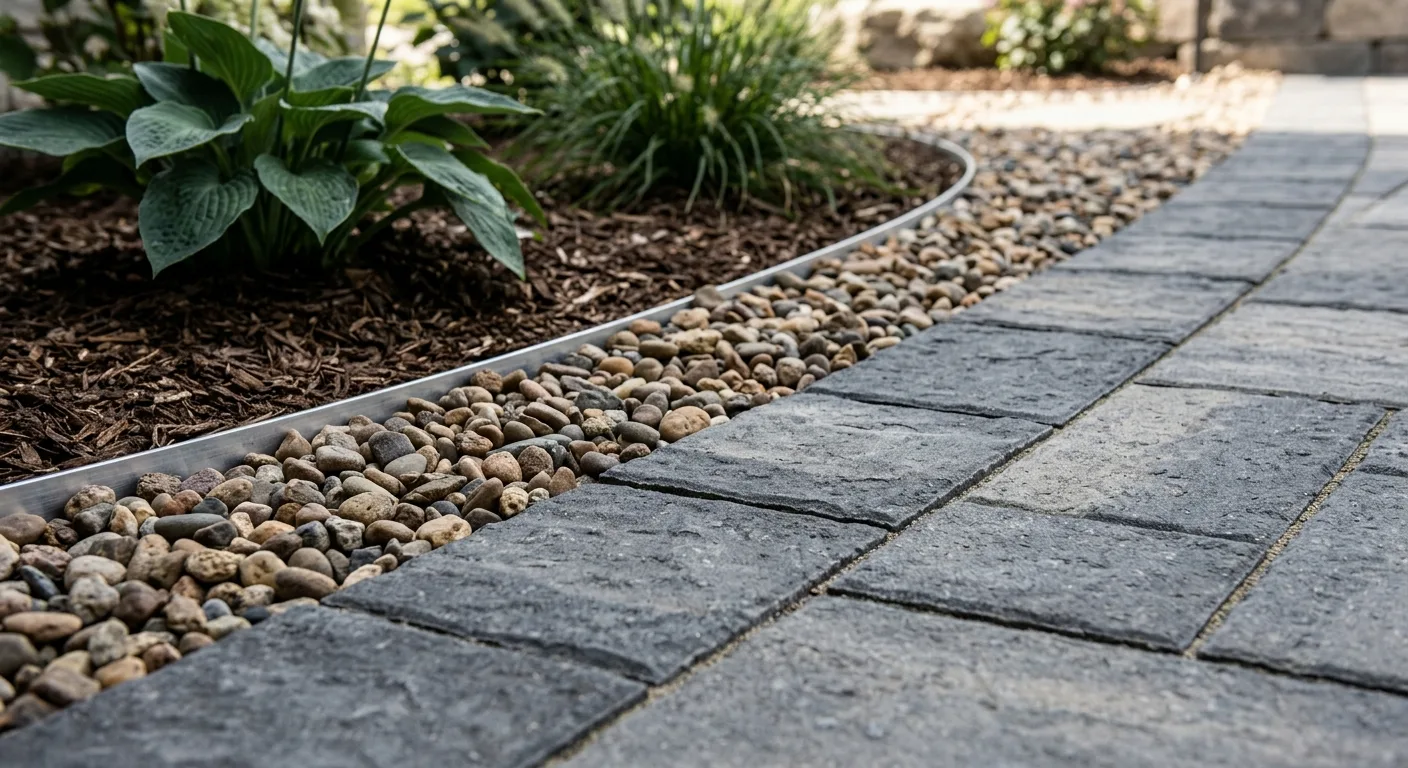
When the whole lot moves water badly, not just the slope, the wall drainage ties into a bigger plan. We coordinate walls with regrading and drainage and grading before the wall goes in so the wall isn't fighting water the rest of the property keeps dumping on it. On properties in South Elgin and Barrington Hills where a slope and a wet yard came as a package, solving both together is what actually dried things out. If you want someone to read your grade and your soil before anyone quotes block, we offer professional retaining wall installation across the Fox Valley. Call (224) 325-7922 and we'll come look in person.
When you don't need to call us yet
Here's the part a wall salesman won't say. If your slope holds its grass, isn't eroding, and only pools water in one low corner that dries within a day, you don't need a retaining wall. Try a downspout extension and a small regrade first, and give it a season. And if a wall you already have is barely leaning after 15 or 20 years with no bulging or cracking, watch it before you rebuild it. We'd rather tell you to wait than sell you a job you don't need yet.
Frequently asked questions
How do I know if my sloped yard needs a retaining wall or just regrading?
Watch the slope after a hard rain. If soil and mulch wash downhill every storm and reseeding won't stick, or the grade is too steep to mow or use, that's a wall situation. If the slope holds its grass and only pools in one small low spot that dries within a day, a regrade or a downspout extension usually solves it for far less. We recommend a wall only when the slope genuinely can't be held any other way, and we'll tell you at the free estimate if a simpler fix works.
Why do retaining walls fail in Illinois?
Almost always from water pressure behind the wall, not weight in front of it. Fox Valley clay holds water, and when that saturated soil freezes and expands against a wall with no drainage layer, it leans, bulges, and cracks, often within three to five winters. The other common cause is a base that wasn't compacted below frost-affected depth, since winter frost here reaches roughly 40 inches down and heaves anything sitting on soft ground. A free-draining gravel zone, filter fabric, a base drain pipe, and a properly compacted base are what prevent both.
What's the difference between block, boulder, and segmental retaining walls?
Segmental interlocking block is the system we build most on Fox Valley residential lots, because it's designed around drainage and its open joints handle freeze-thaw without mortar cracking. Boulder and natural stone deliver the look established properties often want and still need the same gravel-and-fabric drainage behind them. Poured concrete suits tall structural walls but is less forgiving of the soil movement clay produces every spring. The material affects cost and appearance. The drainage behind it, built the same way regardless, is what keeps any of them standing.
How do you handle retaining wall drainage on clay soil?
Every wall we build gets a free-draining gravel zone directly behind the block, wrapped in filter fabric so clay fines don't clog it, plus a perforated drain pipe at the base pitched out to daylight. We also grade the top of the wall so surface water sheets away instead of running down behind the block, and on wet lots we tie the wall drainage into broader yard drainage. Saturated clay that freezes and expands is the single biggest thing that leans a wall in the Fox Valley, so keeping water from collecting behind it is structural work, not an add-on.
Do you build retaining walls across the Fox Valley?
Yes. V. Cardenas Landscaping, Inc. installs retaining walls throughout the Fox Valley and northwest Chicago suburbs, including Algonquin, Sleepy Hollow, South Elgin, Barrington Hills, Carpentersville, Elgin, and the Dundee area. Virgil Cardenas has held back slopes on clay-heavy lots across the corridor for over 20 years, so the drainage and freeze-thaw problems specific to this part of northern Illinois are ones we've already solved many times. Call (224) 325-7922 and we'll read your grade in person before quoting.